
This electrical encapsulation material guide helps manufacturers select epoxy resins, hardeners, fillers, and additives for dependable insulated assemblies in use.
Compare the best chemical resistant epoxies by resin, hardener, cure, and service exposure to specify durable industrial coatings, linings, and bonds.
Learn what causes epoxy crystallization, how storage temperature and contamination affect liquid resins, and practical steps to restore and prevent it.
Compare CYD-128 versus bisphenol epoxy for viscosity, EEW, curing, and sourcing. See when CYD-128 is the right liquid resin grade for production use.
This MTHPA HHPA comparison explains curing behavior, viscosity, heat resistance, and sourcing choices for industrial epoxy formulators in practice.
Source industrial epoxy raw materials with the right resin, hardener, and additives for consistent curing, scalable production, and dependable supply.
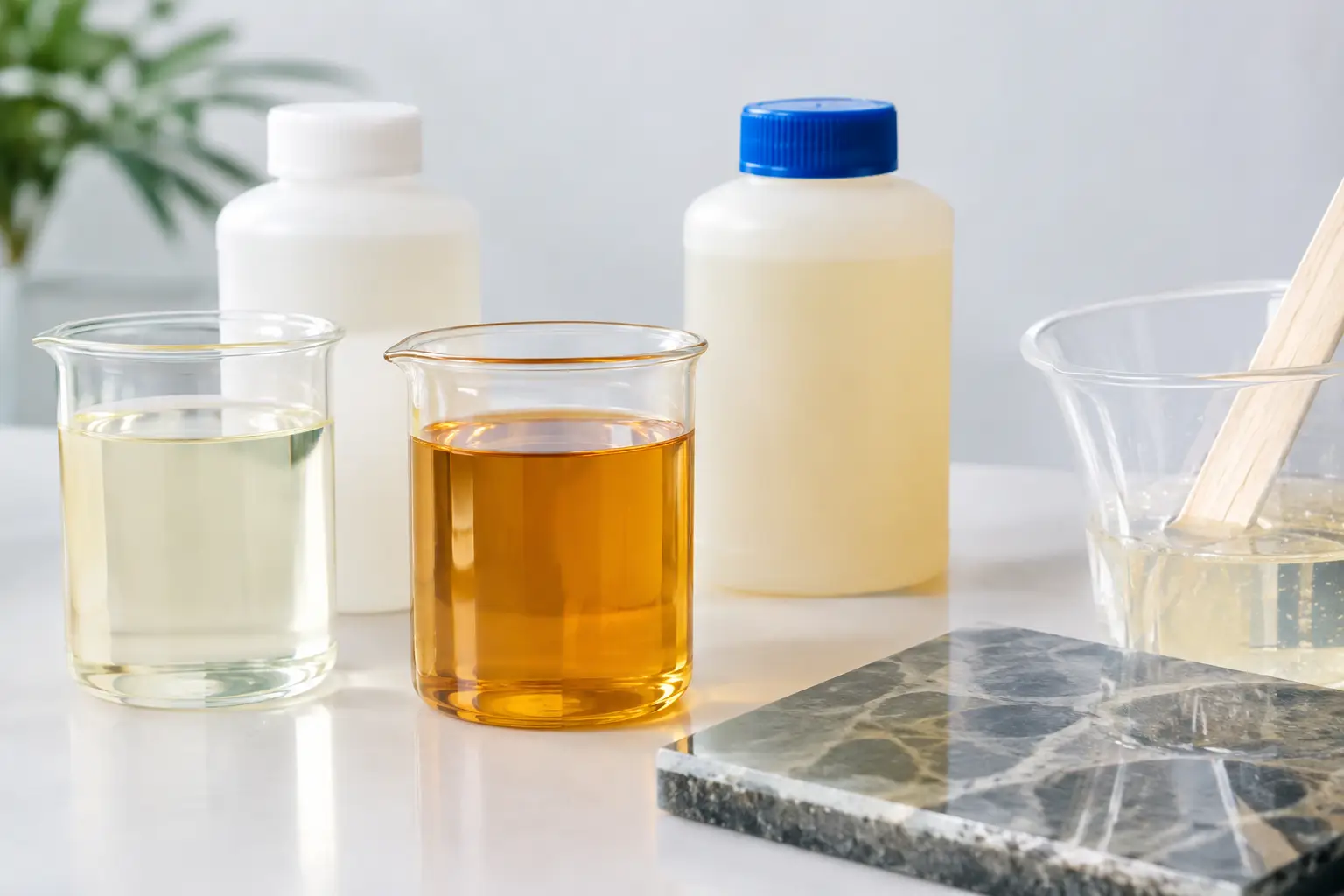
Compare MTHPA versus HHPA hardeners for epoxy systems, including viscosity, reactivity, heat resistance, color stability, cost, and key sourcing factors.
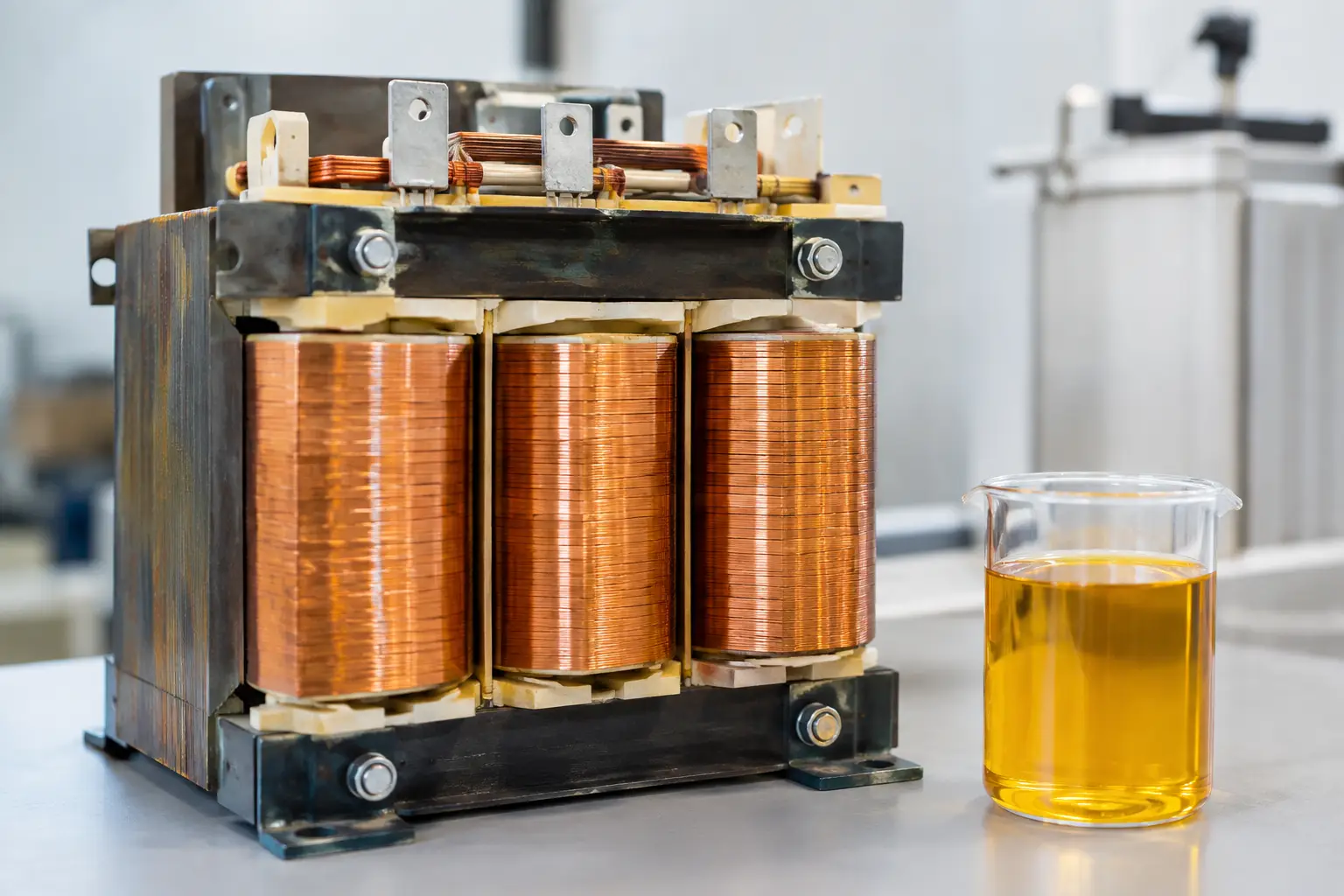
Review an MTHPA transformer casting example with epoxy ratios, vacuum processing, staged cure, and quality checks for dependable electrical insulation.
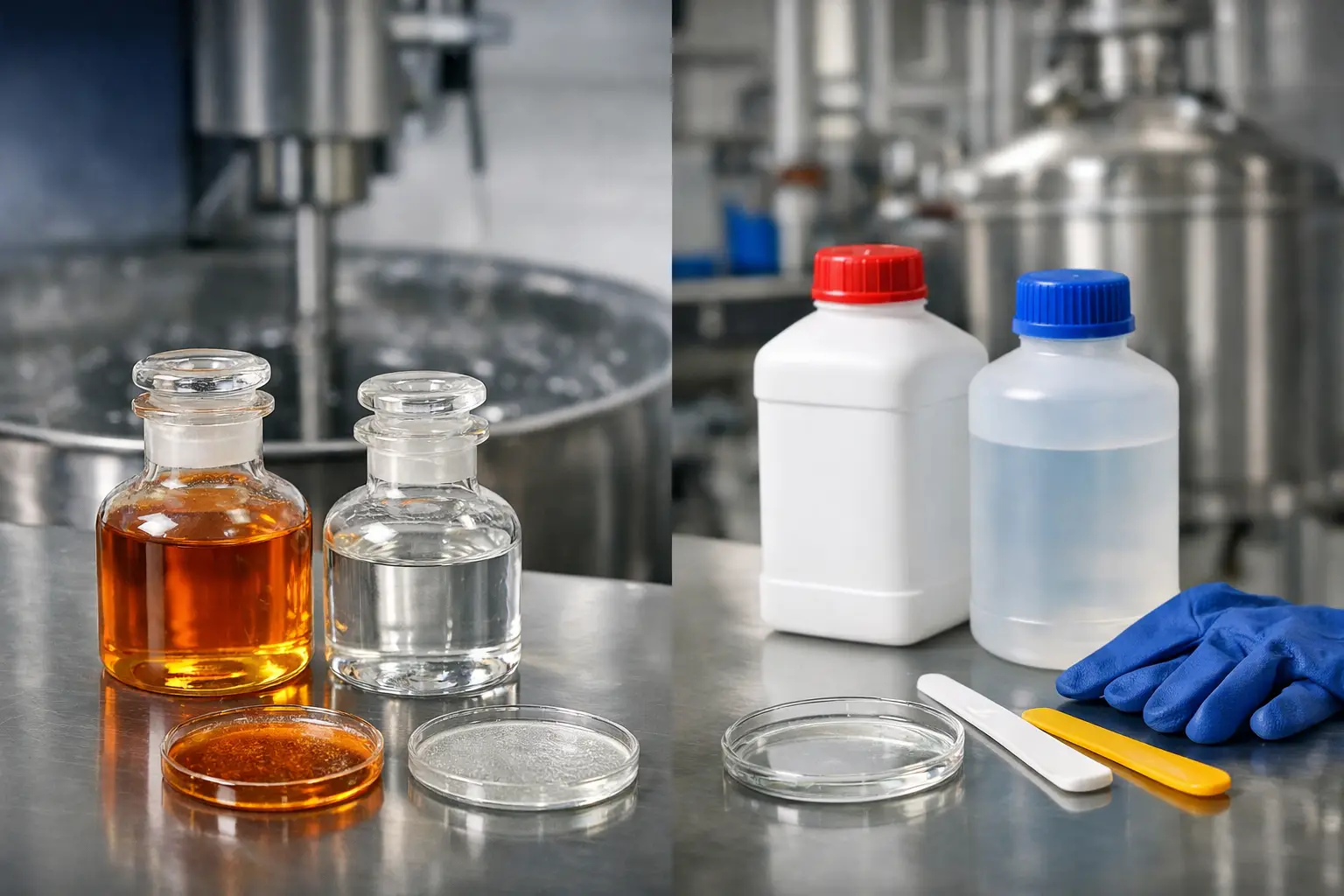
Compare MTHPA versus amine curing for epoxy coatings, composites, and electrical systems by viscosity, pot life, cure temperature, and supply needs.
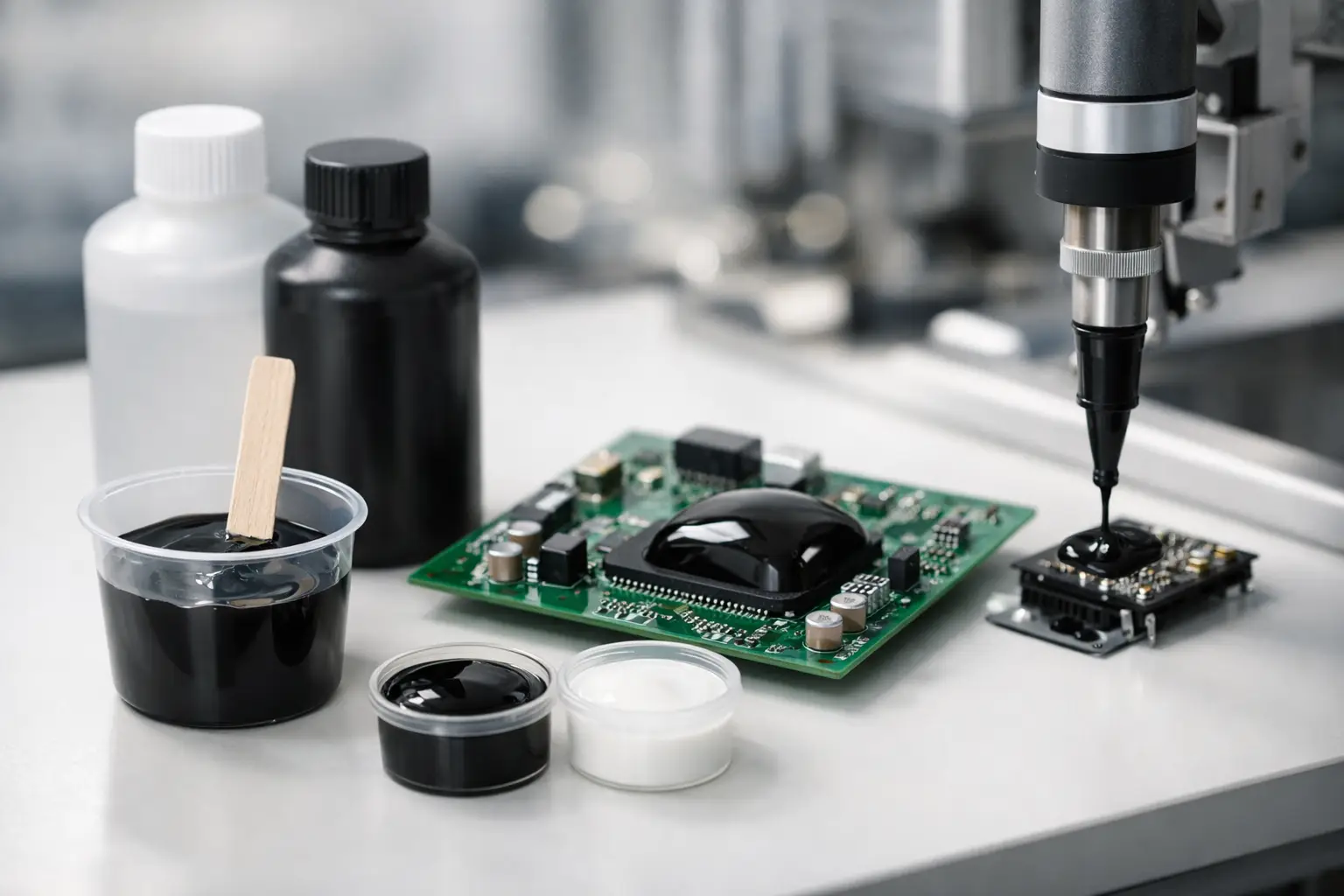
Select the best epoxy encapsulation materials by matching resin, curing agent, fillers, and additives to electrical, thermal, and production requirements.